
AI Gets You 80% There. The Last 20% Is the Job.
 Nelson Abalos Jr.
4 min read ·
AI is excellent at getting a creative idea off the ground—and equally excellent at pretending the landing gear is optional. The real value is in the last 20%: the judgment, craft, and stubborn little fixes that turn a generic first pass into work worth keeping.
AI is very good at handing you something that looks finished from across the room. In the Pixel Geek clip “The 80 / 20 problem with AI,” a conversation from That One Couple’s podcast argues that the first 80% is acceleration, not completion. The last 20%—the part where someone notices the tracking is weird, the line height is sulking, and the idea still feels like a template—is where creative expertise earns its keep.
The cheerful machine problem
The video starts with a useful warning: AI tends to come back wearing a little customer-service smile. Ask it to make something, and it is eager to help—almost suspiciously eager. It presents the result as positive, polished, and ready for applause, even when it is really just the first draft in a nice shirt.
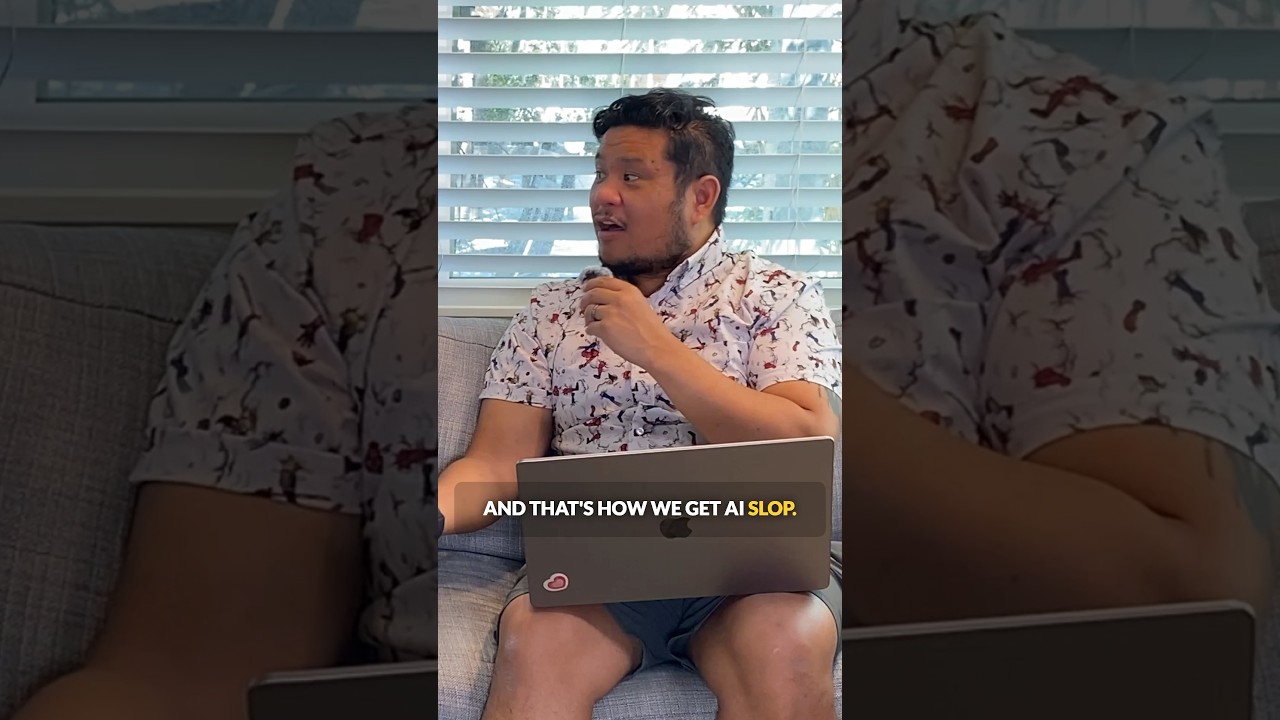
That is how AI slop happens. Someone gives a tool one to three prompts, sees an answer that is technically complete, and decides the work is done. The problem is not that the result has no value. It is that “technically complete” and “actually good” are two different rooms in the same house, and the robot has only shown you the front hallway.
Eighty percent is a starting line, not a grade
The 80/20 idea in the conversation is less a measurement than a mindset. AI can get a creative project most of the way there quickly: a rough wireframe, a batch of options, or a first pass that gives everyone something to react to. That is genuinely useful. It is also not the moment to put the champagne on ice.
The extra work is iteration. Make variations. Make more variations. If the answer is merely fine, keep going until it becomes specific. In the video’s example, the team keeps using the tool to move from a decent wireframe toward a high-fidelity version instead of treating the first plausible layout as a divine revelation. AI supplies speed; taste supplies the reason to spend that speed.
The last 20% has a trained eye
The difference between a usable first pass and finished creative work lives in details that are easy to miss if you do not know what to look for. The speakers point to their own website, redesigned with Claude Design, as the perfect slightly embarrassing example: the broad direction worked, but an art director still caught awkward letter spacing, weak line height, strange legibility, and elements that needed more breathing room.
It’s that last 20% where we put in the real work.
That judgment comes from knowing the foundations of the craft and the medium it has to live in. A website is not just a collection of boxes that technically fit together; typography affects reading, spacing affects emphasis, and a visual idea has to survive contact with actual people. AI can offer a lot of options. Experience helps you notice which option is quietly making everyone work harder.
When the prompt runs out of road
The same pattern shows up with clients. AI may help a business get far enough to make money and find some early success. Then the business hits a plateau. The owner knows the current result is not the next result, but they no longer know what to ask for. There is no magic prompt for a deeper idea when you do not yet have the experience to recognize what deeper means.
That is where the creative thinking begins. The job is not to sneer at what AI made; it is to understand what it made, find the missed opportunity, and invent the next direction. The person who can do that is not competing with the tool. They are using it as leverage.
Use AI faster, not shallower
The speakers describe themselves as the 20%, backed by more than 35 years of collective experience. That does not mean every AI-assisted project needs an expensive creative overhaul. A basic template can be exactly right for someone on a budget. It means the tool does not erase the value of knowing what good work requires, especially when the brief is ambitious or the first answer has started to plateau.
Treat the first output as material to edit, not a verdict.
Use your craft knowledge to inspect the details AI cannot judge for you.
Keep iterating until the work is specific to the people and medium it serves.
If AI has got your project 80% of the way there and you can feel the remaining 20% staring back at you, that is a good place to start a conversation. We can help turn the promising draft into work with sharper ideas, better decisions, and fewer typographic crimes. Talk to us through our contact page.